
Suction Filters

LOADING IMAGES
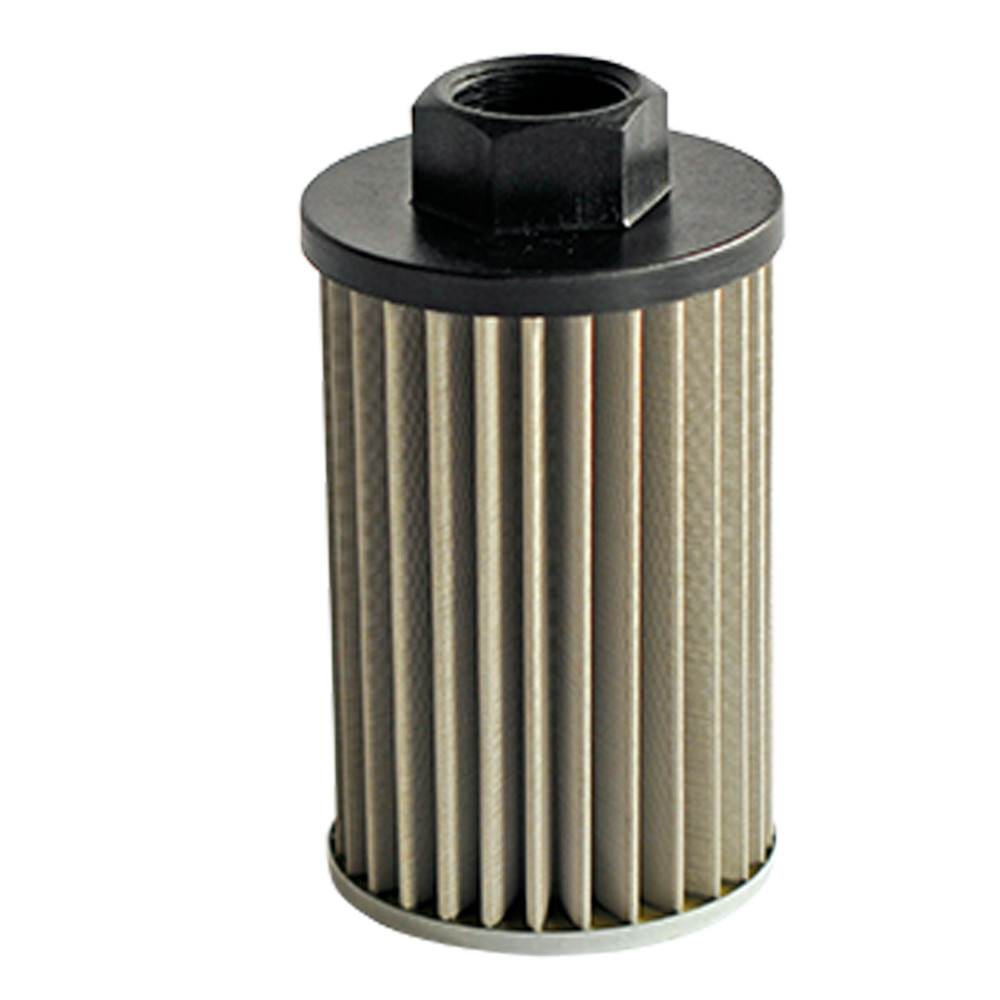
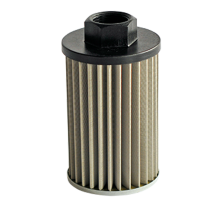
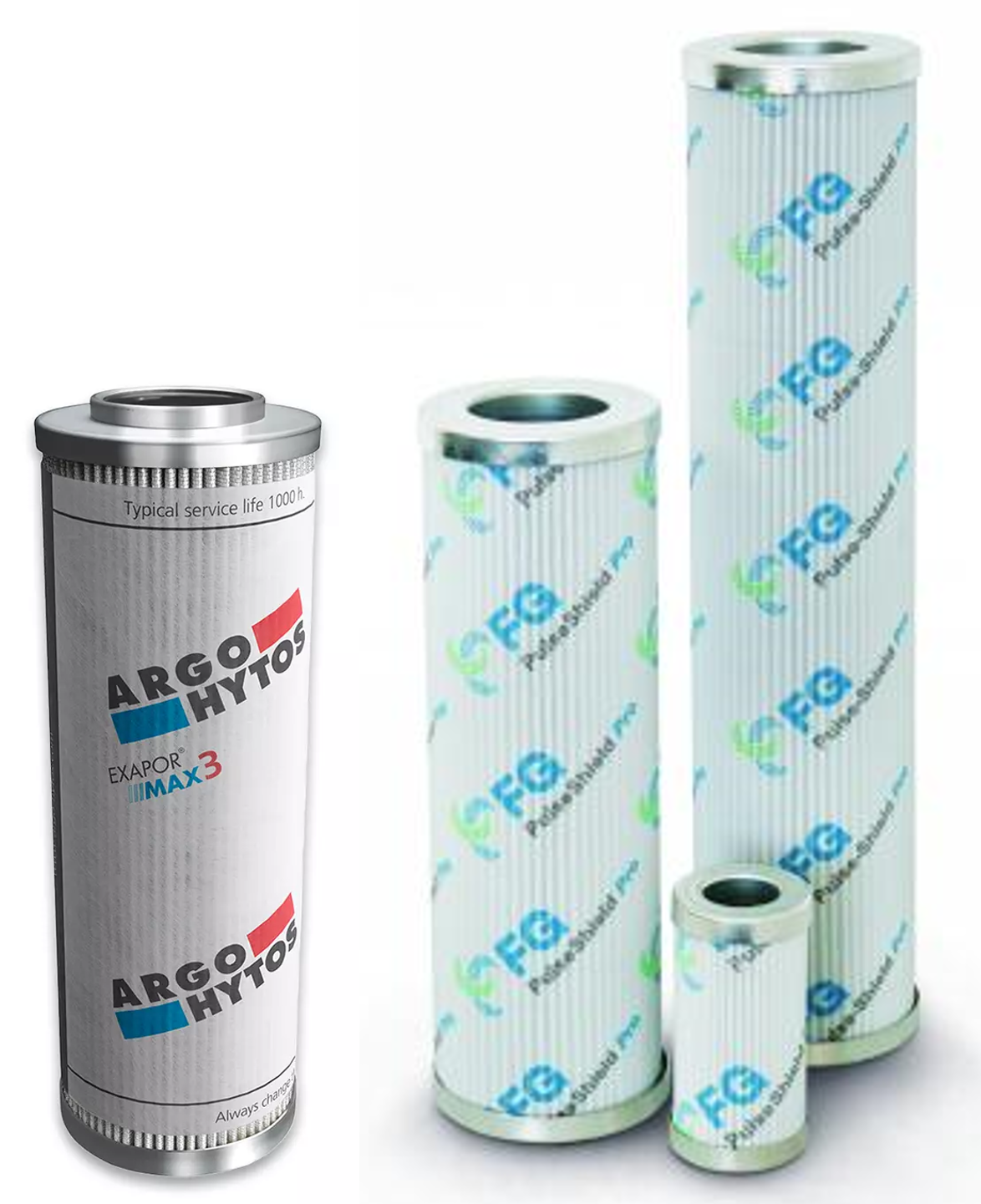
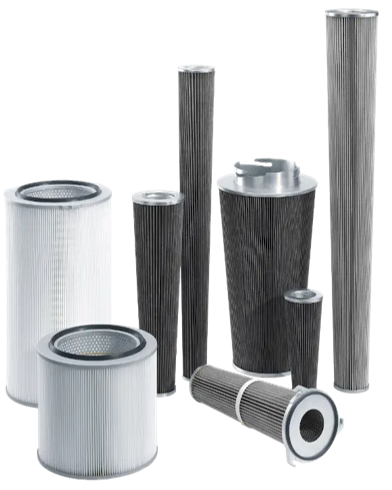
Filtration Group Suction Filters are engineered components specifically designed to safeguard the foundational element of any hydraulic or lubrication circuit: the system pump. Positioned strategically within the reservoir, these filters serve as the essential pre-filtration barrier on the pump's suction line.
Core Function and Technical Profile
Suction filters are deployed to capture and isolate coarse particulate contamination—such as machining debris, seal fragments, rust, or scale—before it can be drawn into the pump mechanism.
-
Primary Objective: Pump Protection. By removing larger contaminants, these filters mitigate the risk of catastrophic pump failure, scoring, and internal wear, thereby maximizing the pump's service life and operational reliability.
-
Installation: Submerged or semi-submerged mounting at the terminus of the suction conduit within the fluid reservoir.
-
Design Rationale (Low Pressure Drop): They are characterized by a high flow capacity and a relatively larger micron rating (coarser media) compared to downstream filters. This design is critical to ensure minimal pressure differential across the element, preventing excessive vacuum pressure that could induce pump cavitation and operational instability.
-
Construction: Typically feature robust, durable media such as pleated wire mesh or stainless steel screens, optimized for high fluid compatibility and longevity.
Operational Benefits
-
Enhanced Reliability: Ensures uninterrupted fluid delivery by protecting the pump from immediate, hard-particle damage.
-
Maintenance Efficiency: Facilitates easier initial cleanup and start-up of new or repaired systems.
-
System Integrity: Acts as a crucial protective layer, contributing to the overall cleanliness and longevity of the hydraulic system.
Note on Fine Filtration
It is important to recognize that while Filtration Group Suction Filters are essential for pump integrity, they are not intended for the fine filtration required to protect highly sensitive components (e.g., proportional valves, actuators). Their primary role is coarse straining; subsequent pressure and return line filters are necessary to achieve target ISO cleanliness codes and manage wear-inducing fine particles.
-
×
-
×
-
×
-
×